How Pharmacists Are Becoming Clinical Stewards of Cell and Gene Therapy
Over the last decade, cell and gene therapies (CGT) have transitioned from experimental breakthroughs to clinical care, changing what it means to be a pharmacist.


If weight loss were as simple as selecting the right diet, fewer people would find themselves cycling through keto, low-fat, fasting, and everything in between. The same diet can produce dramatically different results from one person to the next, and DNA may be part of the reason.
Research suggests certain genetic variants are tied to everything from fat absorption, carbohydrate metabolism, and insulin response to appetite, satiety, energy use, and exercise recovery.1 2
Although DNA can offer useful context, it doesn’t provide definitive answers or replace clinical guidance.
Currently, there are no FDA-approved DNA tests for weight loss, and DNA alone cannot deliver a personalized diet or exercise roadmap. Weight regulation is shaped by 100+ genes as well as environment, lifestyle, medications, sleep, and stress, with no single gene determining weight loss success or failure.3
As weight management becomes increasingly tailored to these factors, full-time and relief pharmacists must be prepared to play advisory roles focused on safety, interpretation, and expectation-setting across retail, clinical, and hybrid environments.
Weight loss is shifting from one-size-fits-all plans to personalization because of how differently people respond to the same interventions. Two individuals can follow identical diets, take the same medication, or use the same program and experience dramatically different results. That variability has pushed weight management away from universal prescriptions toward approaches that account for individual differences.

DNA testing is one input in this shift that offers clues about how someone may metabolize nutrients, regulate appetite, or respond to stressors. But genetics doesn’t drive personalization on its own; it sits alongside a growing set of tools designed to tailor care over time, including:



GLP-1 and other weight loss medications, which require individualized dosing, titration, and monitoring
Compounded therapies adjusted to address tolerance, side effects, or availability
Digital and app-based weight management programs, which adapt recommendations based on behavior, progress, and engagement
These tools reflect a trend toward weight care based on a person’s real response to intervention rather than how they’re expected to respond on paper.
While research is still in its infancy, studies suggest individuals may see slightly better results when diet patterns align with their unique metabolic tendencies.4
In one study of people with a history of failed weight-loss attempts, researchers used genetic information to personalize a calorie-controlled diet based on variants associated with nutrient metabolism and transport.
After about a year:
These findings suggest that the value of DNA-informed approaches may lie less in dramatic weight loss and more in supporting consistency over time. Personalization appears to help some people stay engaged longer, which often matters more than the specific diet itself.
For patients who choose to explore DNA testing, the best way to use genetic information is as a starting point for informed conversations about why specific approaches may have felt harder in the past — whether someone has struggled with medication tolerance, persistent hunger cues despite caloric reduction, or inconsistent results from common diet trends.

When paired with lifestyle changes, clinical guidance, and, in some cases, medication, DNA insights can help narrow the field of options and reduce trial-and-error. This kind of interpretive support is increasingly central to pharmacist shift-based roles that focus on counseling rather than dispensing volume.
Where DNA testing falls short is in delivering certainty. No genetic profile can account for how real life unfolds; genetic data can’t predict exact weight loss outcomes, prescribe a specific diet or exercise plan, or override professional judgment. Results still depend heavily on adherence, lifestyle, medication tolerance, and time.6
As personalization redefines weight management, it also shifts the pharmacy role from product-focused to insight-driven. It creates a growing demand for pharmacists who can interpret complexity and move people toward sustainable health decisions.
Genetic data can be highly informative, but it’s also easy for that information to be misunderstood or misused without human oversight. At-home DNA tests often present results with an air of certainty that doesn’t reflect the complexity of metabolism and weight regulation. When patients view genetic insights as definitive answers, they may place more trust in the data than the science supports.
As a result, pharmacists could encounter more patients with expectations shaped by oversimplified marketing, especially in on-demand pharmacist shifts or walk-in consult settings. These misconceptions may include:





That genetic insights apply indefinitely without reassessment
That DNA-based plans reduce the risk of medication interactions
That results explain the side effects of weight loss medications
That weight plateaus signal genetic incompatibility
That DNA testing results can be applied to any program without clinical alignment
Left unchecked, misconceptions like these can lead to unsafe supplement use, unrealistic timelines, or poor adherence when results don’t match the promise.
When misconceptions go uncorrected, patients may make drastic dietary changes, eliminate entire food groups, or assume a DNA report overrides medical advice. Others may stack DNA-recommended supplements on top of prescription medications without understanding the risk.
Pharmacies, especially those with metabolic health pharmacist roles, are well-equipped to intervene. Pharmacists can help prevent:
They can also educate patients, set appropriate expectations, and guide them toward weight loss plans that fit their health rather than genetics alone.
In translating DNA insights into balanced guidance, pharmacists protect patients from chasing certainty where none exists and focus them on what drives long-term, sustainable weight loss.
As more patients present DNA reports, GLP-1 prescriptions, and supplement stacks at the pharmacy counter, pharmacists should be aware of where issues are most likely to arise. A few precautions can significantly impact patient outcomes.

Genetics is only one small factor in a patient’s response to GLP-1s. Some see significant appetite suppression, while others experience slower or more modest changes.
Pharmacists should be prepared to normalize this variability, reinforce realistic timelines, and help patients understand that a slower response doesn’t mean failure or that genetics has “ruined” their chances of success.
Patients who place heavy trust in DNA data may push through side effects they shouldn’t or escalate doses too quickly because they expect a genetically matched therapy to work seamlessly.
Monitoring for gastrointestinal distress, dehydration, nutrient deficiencies, and medication intolerance — especially early on — helps prevent drop-off and unnecessary complications.
When results don’t match the promise of a DNA report, patients may completely stop their medications, abandon lifestyle changes, or hop between programs.
Pharmacists play a key role in reframing DNA as a supportive context, not a guarantee, and reinforcing consistency over perfection.
Weight loss doesn’t end when the scale moves. DNA insights may inform the conversation, but long-term success depends on sustainable routines, ongoing monitoring, and realistic maintenance strategies. Pharmacists should keep an eye on:
For pharmacists new to this oversight role, the goal is to spot risk early, slow patients down when needed, and keep the focus on safety, adherence, and long-term health.
These skills are becoming as essential as dispensing itself — and they’re increasingly in demand across the roles pharmacists are finding through ShiftPosts.
Today’s pharmacists are being asked to interpret, guide, and protect, not just dispense. Patients may arrive with DNA reports, GLP-1 prescriptions, supplement regimens, and high expectations — but it’s often the pharmacist who helps translate that complexity into something safe, realistic, and sustainable.

This change is expanding where and how pharmacists practice. Beyond traditional retail roles, demand is growing in settings that emphasize:




Weight management and metabolic health programs
Medication therapy management and adherence support
Clinical consultation and patient education
Hybrid and flexible roles that blend in-person and digital care
This shift creates new pharmacy career opportunities while also requiring new skill sets centered on interpretation, communication, and long-term patient support. Platforms like ShiftPosts exist to meet that moment, connecting pharmacists with roles that reflect how the profession is changing.
Ultimately, the pharmacist’s role becomes more essential in a personalized care landscape, not less. When faced with large amounts of data and bold promises, human oversight continues to be the difference between information and impact — and pharmacists are uniquely positioned to deliver it.
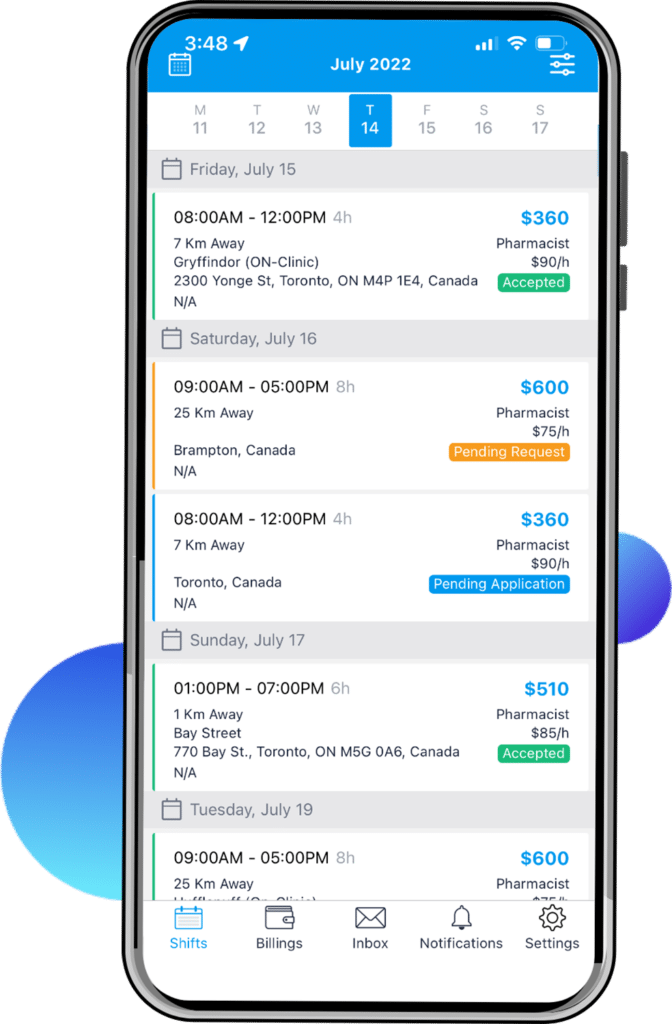
Whether you’re a pharmacy looking for temporary advisory help or a pharmacist interested in roles that reflect the personalization shift in weight management, metabolic health, or patient-facing advisory settings, download the ShiftPosts platform on the App Store or Google Play today to get connected.



Over the last decade, cell and gene therapies (CGT) have transitioned from experimental breakthroughs to clinical care, changing what it means to be a pharmacist.

As a pharmacy professional, you know the weight of a long shift, the emotional burden of being the final safety net for hundreds of patients,

Turn Great Shift Coverage into a Stronger Talent Pool As a pharmacy leader, finding shifts to fill is one challenge, but building a strong talent



When the line at the counter is growing, the phone

Every pharmacy professional dreads the moment a pharmacist is unexpectedly