
Over the last decade, cell and gene therapies (CGT) have transitioned from experimental breakthroughs to clinical care, changing what it means to be a pharmacist. Compared to traditional pharmacotherapy, these complex, potentially curative therapies are more individualized, operationally fragile, and intensively monitored.
As these CGT drug products move from academic research centers into mainstream hospital settings, pharmacists will be central to safe and effective delivery. In many organizations, pharmacists serve as the critical link, overseeing individualized manufacturing, a strict chain of custody, narrow administration windows, and more.
Pharmacists are uniquely positioned for this role because few clinicians operate at the intersection of medication safety, protocol management, care coordination, and longitudinal therapeutic monitoring simultaneously.
Yet, as these therapies continue to expand into mainstream care, there’s a growing risk of underutilizing pharmacists as medication managers rather than integrating them as clinical stewards throughout the therapy journey.
“There’s a growing risk of underutilizing pharmacists as medication managers rather than integrating them as clinical stewards.”
In this article, we’ll explore how pharmacists are becoming central decision-makers in CGT delivery and why that role is essential for patient safety, coordination, and outcomes.
How Does CGT Differ From Traditional Pharmacotherapy?
Traditional pharmacotherapy is usually designed around ongoing disease management, with a medication regimen that includes occasional dosing adjustments, refills, adherence support, and long-term monitoring.
Cell and gene therapies, on the other hand, are one-time or limited-course interventions designed to fundamentally alter disease progression at the cellular or genetic level. While these two categories share similarities, they take different therapeutic approaches:

Cell therapies: These use living cells as the treatment. Cells are often collected from the patient, modified to fight disease, and reinfused. They require cryogenic storage and intensive monitoring for immune responses. Examples include CAR-T cell therapies, tumor-infiltrating lymphocyte (TIL) therapies, and stem cell-based therapies.
Gene therapies: These modify or replace genetic material. This treatment can occur in vivo (where the genetic instruction is delivered directly into the patient’s body via a vector) or ex vivo (where a patient’s cells are removed, edited in a lab, and reinfused). Gene therapy represents a shift away from chemical management toward genetic editing. Examples inclu de viral vector therapies, CRISPR-based gene editing, and emerging mRNA therapeutic platforms.

These therapies have major implications for the traditional pharmacotherapy treatment model.
Treatment Model and Operational Demand Differences
Unlike standard medications, CGT treatment models usually involve:
CGT also requires a level of logistical and handling precision that traditional pharmacotherapy rarely demands. A delay in CGT transport, verification, or administration could compromise treatment viability altogether.
“A delay in CGT transport, verification, or administration could compromise treatment viability altogether.”
That’s why these therapies require:
Pharmacists are increasingly important in overseeing the systems, workflows, and safety infrastructure required to deliver these therapies successfully.
The Pharmacist as a Therapy Steward
In severe cases, the emotional and psychological strain pharmacists experience can contribute to devastating mental health outcomes.
The pharmacist’s stewardship in CGT begins well before a single cell is collected and extends beyond the acute recovery phase. Pharmacists are stepping into a broader role that touches clinical oversight, operational precision, and long-term safety monitoring.
“Pharmacists are stepping into a broader role that touches clinical oversight, operational precision, and long-term safety monitoring.”
Clinical Gatekeeping and Protocol Adherence
Before therapy begins, the pharmacist is vital in ensuring safety and determining eligibility by assessing the patient’s complete clinical profile.
This involves:
- Eligibility Verification: Confirming biomarker requirements and prior therapy history to meet narrow FDA and protocol criteria.
- Washout Management: Overseeing complex washout periods from previous treatments to prevent drug interactions that could compromise cell viability.
Strategic Management of Conditioning Regimens
Stewardship also means managing the delicate timing of pre-conditioning. Pharmacists ensure that the patient is immunologically ready at the exact moment the manufactured product is available and that every aspect of the conditioning regimen aligns with institutional and regulatory standards.
Because manufactured cells may arrive days or weeks after collection, conditioning timelines must stay tightly aligned with product availability to avoid unnecessary immunosuppression or treatment delays. If a manufacturing delay occurs, the pharmacist pivots the conditioning schedule to prevent the patient from being rendered neutropenic for an unnecessary period.
Toxicity Oversight: CRS and ICANS
Pharmacists are frequently among the first clinicians involved in toxicity assessment and escalation. During these episodes, they assess clinical severity and inflammatory response, ensuring immediate intervention as mandated by safety protocols.
Because CRS and ICANS can escalate quickly, early grading and intervention decisions often determine whether symptoms stay manageable or progress into life-threatening complications.
Coordination with Multidisciplinary Teams
“You cannot, as a single department, do this alone. It must be a collaborative effort amongst the multidisciplinary care team… to make sure that all the Is are dotted or Ts are crossed.” — Zahra Mahmoudjafari, PharmD 1
Pharmacists also help coordinate communication across hospital departments, ensuring the logistical chain remains unbroken.
As more hospitals expand CGT programs, staffing shortages make it difficult to maintain that level of specialized oversight. For hospitals managing these surges in complexity, the ability to fill pharmacy shifts with qualified relief pharmacists who understand these protocols is a safety requirement.
Risk, Safety, and Outcomes Management
While stewardship is about the individual patient journey, managing risk, safety, and outcomes is about the infrastructure that enables those journeys. In CGT, the pharmacist’s role expands into high-level regulatory compliance and data-driven pharmacovigilance.
REMS Program Oversight and Logistics
Many therapies are subject to Risk Evaluation and Mitigation Strategies (REMS) programs — FDA-required safety programs designed to ensure high-risk therapies are administered, monitored, and documented appropriately. All hospitals must follow these clinical guidelines to retain their certification for dispensing these therapies.
This involves:
- Site Certification and Audit Readiness: Pharmacists often lead readiness committees to ensure the facility meets specialized staff training and audit standards.
- Inventory as Safety: A core REMS requirement for CAR-T is having specific rescue doses physically on-site and reserved for each specific patient. Pharmacists manage this safety inventory so that logistical shortages never translate into patient safety failures.
Documentation as Pharmacovigilance
Pharmacists help standardize how institutions recognize, grade, and respond to toxicities like CRS and ICANS. Because CGT involves long-term uncertainties, the pharmacist’s role in documentation contributes to advancing modern medical science.
- Toxicity Grading Registry: Pharmacists document grading and escalation timing, which is essential data for FDA-required long-term pharmacovigilance (often up to 15 years).
- Standardizing the Escalation Pathway: Pharmacists lead the development of institutional protocols to embed safety knowledge in the system rather than relying on a single provider’s memory.
Case Example: The CAR-T Patient Journey
In the CAR-T patient journey, pharmacists often become central coordinators throughout treatment. Let’s look at how they influence patient outcomes at critical points along the way.
Managing the Wait Between Cell Collection and Infusion
After a patient’s T-cells are collected via leukapheresis and shipped to the manufacturer, there’s often a 4-week wait time. During this period, the disease doesn’t stop.
The Pharmacist’s Role:
Preparing the Patient for Treatment
Five days before infusion, the patient must undergo conditioning using a combination of fludarabine and cyclophosphamide.
The Pharmacist’s Role:
Verifying the Therapy Before Infusion
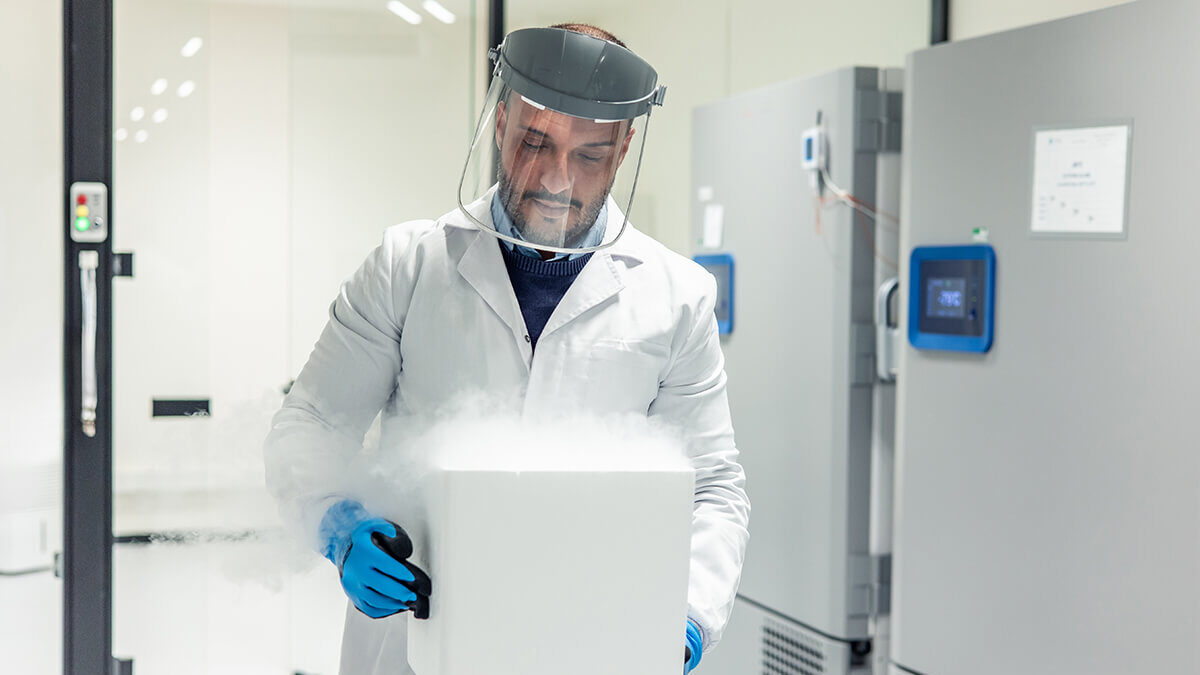
When the cryopreserved cells arrive, they’re often stored in liquid nitrogen at -150°C.
The Pharmacist’s Role:
Responding to CRS and Neurotoxicity in Real Time
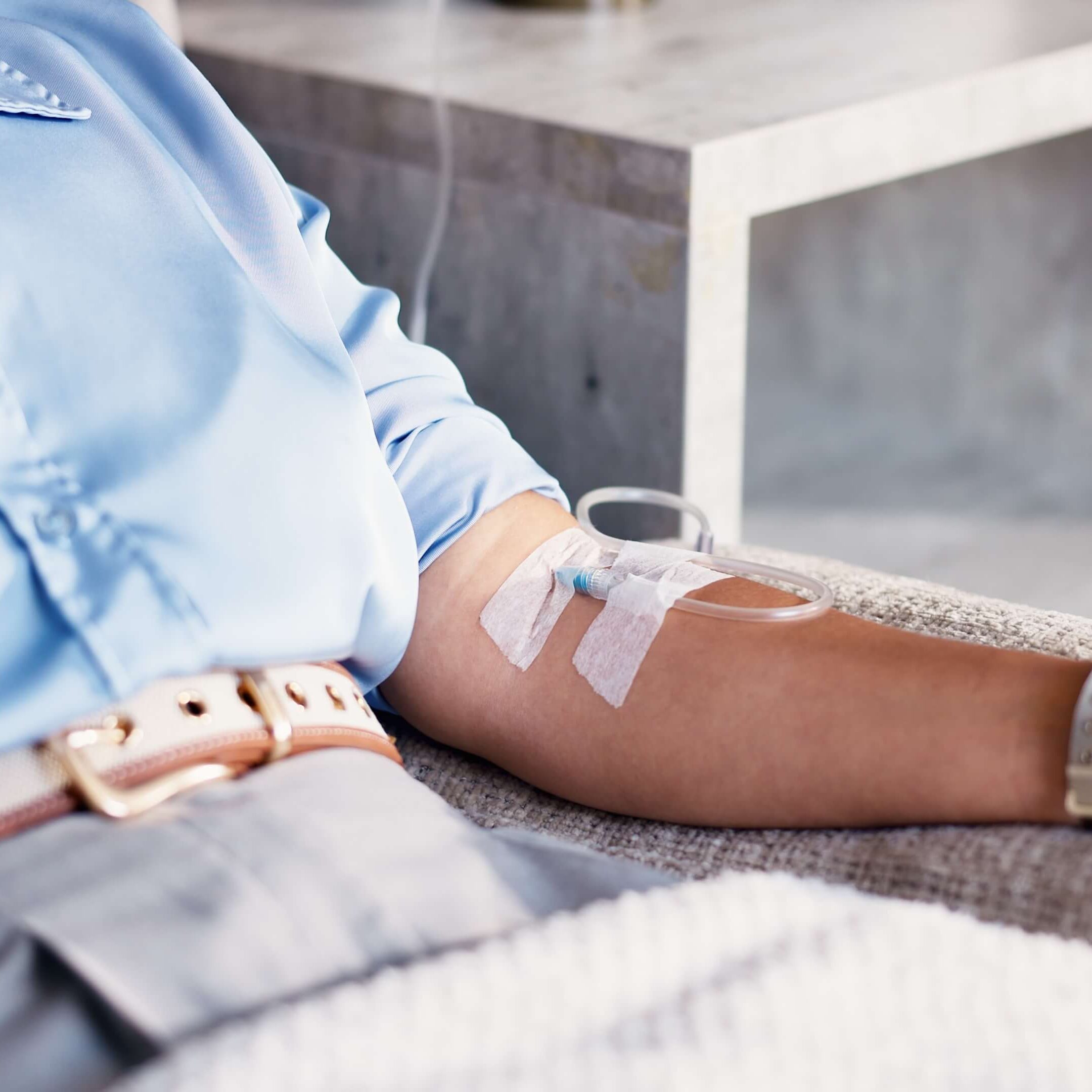
Within hours or days of infusion, a patient may experience Cytokine Release Syndrome (CRS), a systemic inflammatory response, or ICANS, a specialized neurotoxicity. In these moments, the pharmacist makes life-saving decisions.
The Pharmacist’s Role:
Supporting Long-Term Recovery and Monitoring
Post-discharge, pharmacists manage the patient’s medication profile, including specialized infection prophylaxis (e.g., against Pneumocystis jirovecii) and monitoring for adverse effects such as B-cell aplasia.
Because CAR-T cells often target proteins found on both cancerous and healthy B-cells, pharmacists must often coordinate long-term IVIG (Intravenous Immunoglobulin) replacement therapy to maintain the patient’s immune defenses.
The Pharmacist’s Role:
From eligibility verification to long-term follow-up, pharmacists are deeply embedded in the safety, coordination, and clinical success of modern cell and gene therapy programs.
Clinical Leadership Opportunities and the Path Forward
As the CGT pipeline expands, the risk of underutilizing pharmacists is real.
“As pharmacists, we need to take more of a role in educating patients… it’s a cell therapy, but it comes with inherent risks that require multiple months of monitoring.” — Alexandra Wolff, PharmD, BCOP 2
That level of patient education, longitudinal monitoring, and cross-functional coordination requires pharmacists to operate far beyond the traditional responsibilities of medication dispensing.

Cell and gene therapy is creating a new era of clinical leadership for pharmacists built around stewardship, systems coordination, and high-acuity patient management. As these therapies expand into broader hospital and specialty settings, pharmacists will increasingly shape how safely and effectively CGT programs scale nationwide.
Whether you’re a qualified relief pharmacist supporting a specialized unit or a full-time clinical leader overseeing complex therapy workflows, the demand for pharmacists with CGT experience and multidisciplinary coordination skills will only continue growing.
ShiftPosts is committed to supporting pharmacy professionals as they navigate these emerging therapies through flexible staffing support, industry education, and access to specialized opportunities.